 Ara ambiguous (Great Green Macaw)
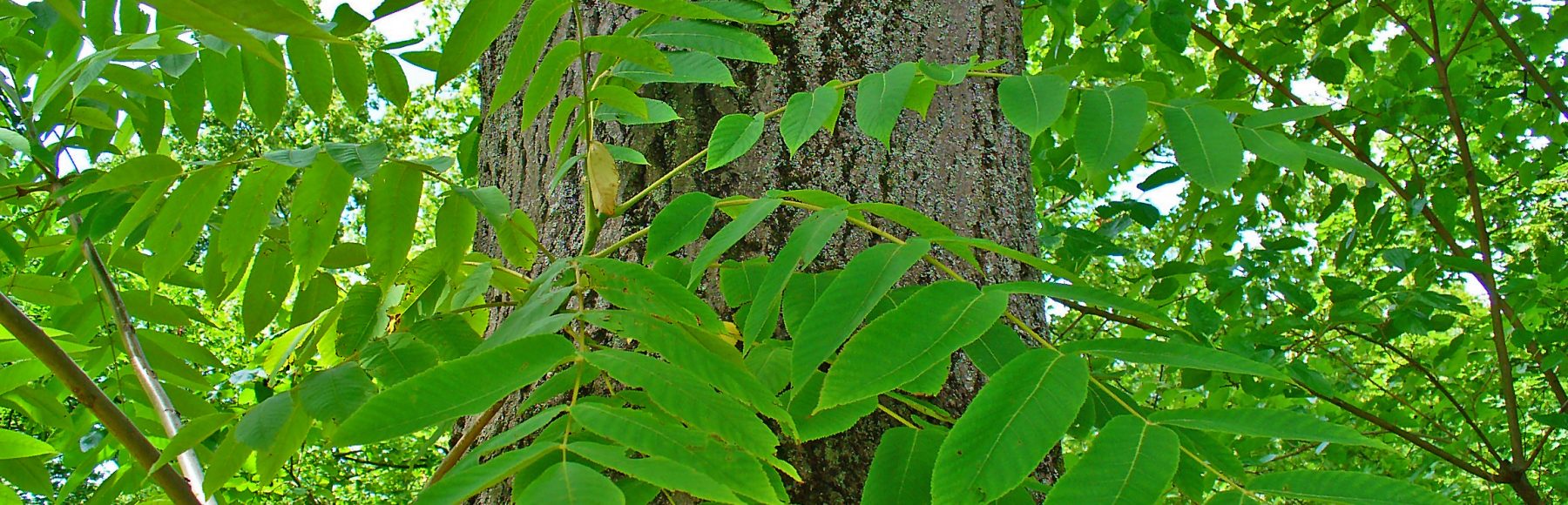
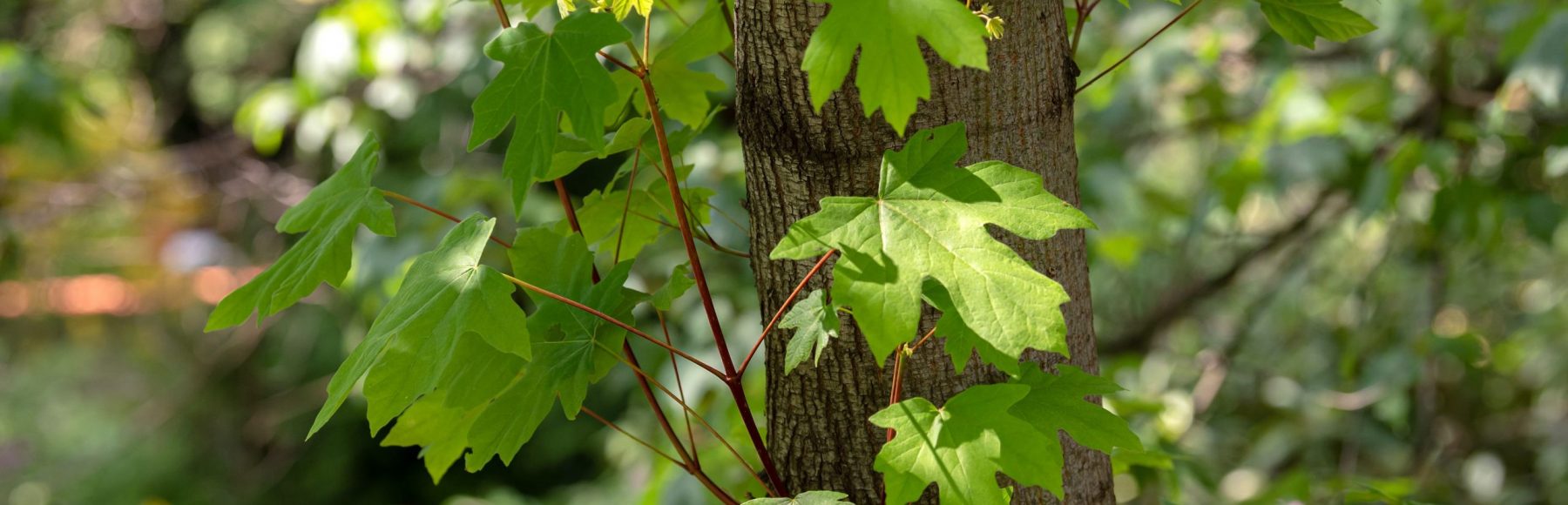

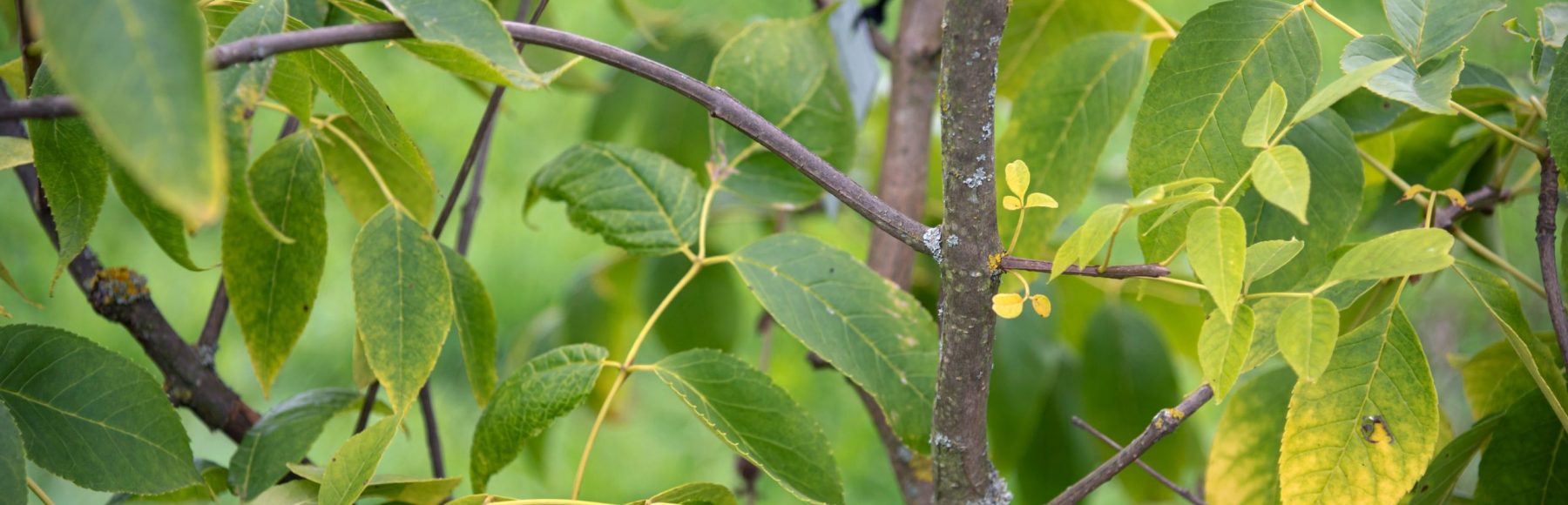

The Biodiversity and Conservation Genomics Center within the Institute for Systems Genomics provides undergraduate and graduate-level training through partnerships with UConn CLAS departments (EEB and MCB). Undergraduate trainees participate in a one year program to learn to sequence, assemble, and annotate a species (or set of species) of conservation concern. The training components of the BCG emphasize deeper investigation following the generation of the primary genomic resources. This includes the application of comparative genomics and population genetics, and direct interaction with practitioners engaged in restoration to bridge the conservation genomics gap. The graduate students supported by the BCG program, in collaboration with the Computational Biology Core, develop scalable and reproducible software that facilitates genome assembly and annotation. Furthermore, they serve as mentors to the undergraduate students, guiding them through intensive training sessions spanning the academic year and summers. Together, they engage in research activities focused on threatened species, encompassing genome assembly/annotation, variant detection, and population genetics/landscape genetics.

The collaborative approach enables the application of cutting-edge genomic techniques in real-world conservation efforts. A significant aspect of the program involves a collaboration with Oxford Nanopore’s Org.one program that provides partial support for sequencing IUCN Red List species, particularly those listed as endangered. Through the Org.one program, the ISG and BCG have provided the first genomic resources for over 30 species of birds, amphibians, mammals, and plants. This collaboration is reinforced by recommendations published by the EarthBioGenome Project, an international consortium, with membership that includes UConn. Existing and new partnerships with federal/state agencies, and NGOs (CT DEEP, US Forest Service, aquariums, zoos, arboretums, and botanical collections) provide opportunities to implement genomic tools in management
In addition to successes in undergraduate and graduate-level training, the program has hosted several invited speakers, developed collaborations with external organizations, and received international attention through joint publication by the undergraduate cohort on genomes of conservation concern and an international session on the Org.one program at the Plant and Animal Genome Conference. Finally, the program has directly delivered genomic tools to federal practitioners involved in forest tree restoration.